
Mixology
·4 min read
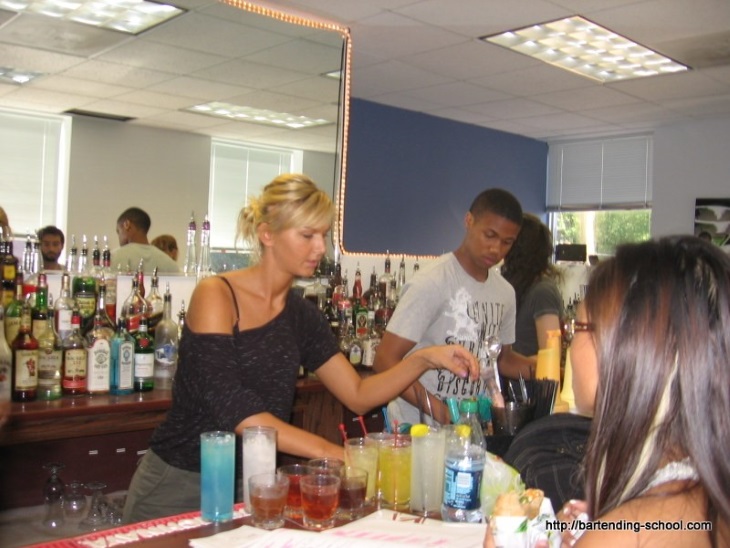
The appeal of learning to bartend online is understandable - it is cheaper and more convenient. But after more than a decade of watching graduates from online programs try to enter the workforce, we can say with confidence that it does not prepare you for the reality of working behind a bar.
The analogy we use most often is driving. You would not expect to pass a driving test after watching videos about steering and parallel parking. Bartending is a physical skill that requires repetition with real equipment, real bottles, and realistic service pressure. You need to feel the weight of a shaker, learn how hard to muddle, and develop the spatial awareness to work a busy rail without colliding with your barback.
Bar managers know the difference. When someone walks into an interview and has never actually practiced making drinks under time pressure, it shows immediately. Online programs may teach you recipes, but they cannot teach you the muscle memory, speed, and confidence that come from hands-on practice. That gap is why online graduates consistently struggle to get placed. Some bar managers have actually come to the PBS campus to train their own staff, which says something about the credibility of hands-on instruction. Even experienced servers who get promoted to bartender positions sometimes enroll because their employer's training was insufficient.
The bottom line is straightforward: if you are going to invest in bartending education, make sure it involves actual practice behind an actual bar. The cost of the program is roughly the same as a semester's worth of college textbooks - and the return is immediate. The recipes are the easy part. The muscle memory, timing, and confidence only come from doing the work with your hands.
Book a free class at our Arlington campus and see the training firsthand.

